Mixed and Rare Metal Finishing
Mixed and Rare Metal Finishing: Techniques and Benefits
Machine metal processing is a crucial part of manufacturing, where metal parts are transformed through alterations in shape, dimensions, properties, and finishes to create finished products. While many metals are straightforward to machine using standard equipment, mixed and rare earth metals possess unique chemical properties that necessitate specialized machining processes.
Understanding Mixed Metals

Mixed metals, also known as alloys, are combinations of two or more metals that result in enhanced properties. Here are some common mixed metals, their properties, and applications:
Brass: Known for its malleability and ease of cold and hot forming, brass is used in keys, connectors, radiators, and musical instruments.
Bronze: Appreciated for its corrosion resistance and strength, bronze is ideal for gears, pumps, diaphragms, and architectural fittings.
Copper: Renowned for its ductility and conductivity, copper is extensively used in electrical wiring, semiconductors, and antimicrobial surfaces.
The Role of Rare Earth Metals
Rare earth metals, a group of 17 elements, are not rare in abundance but are seldom found in economically viable concentrations. Their unique properties make them irreplaceable in certain applications, despite their processing challenges.
Notable Rare Metals and Their Uses
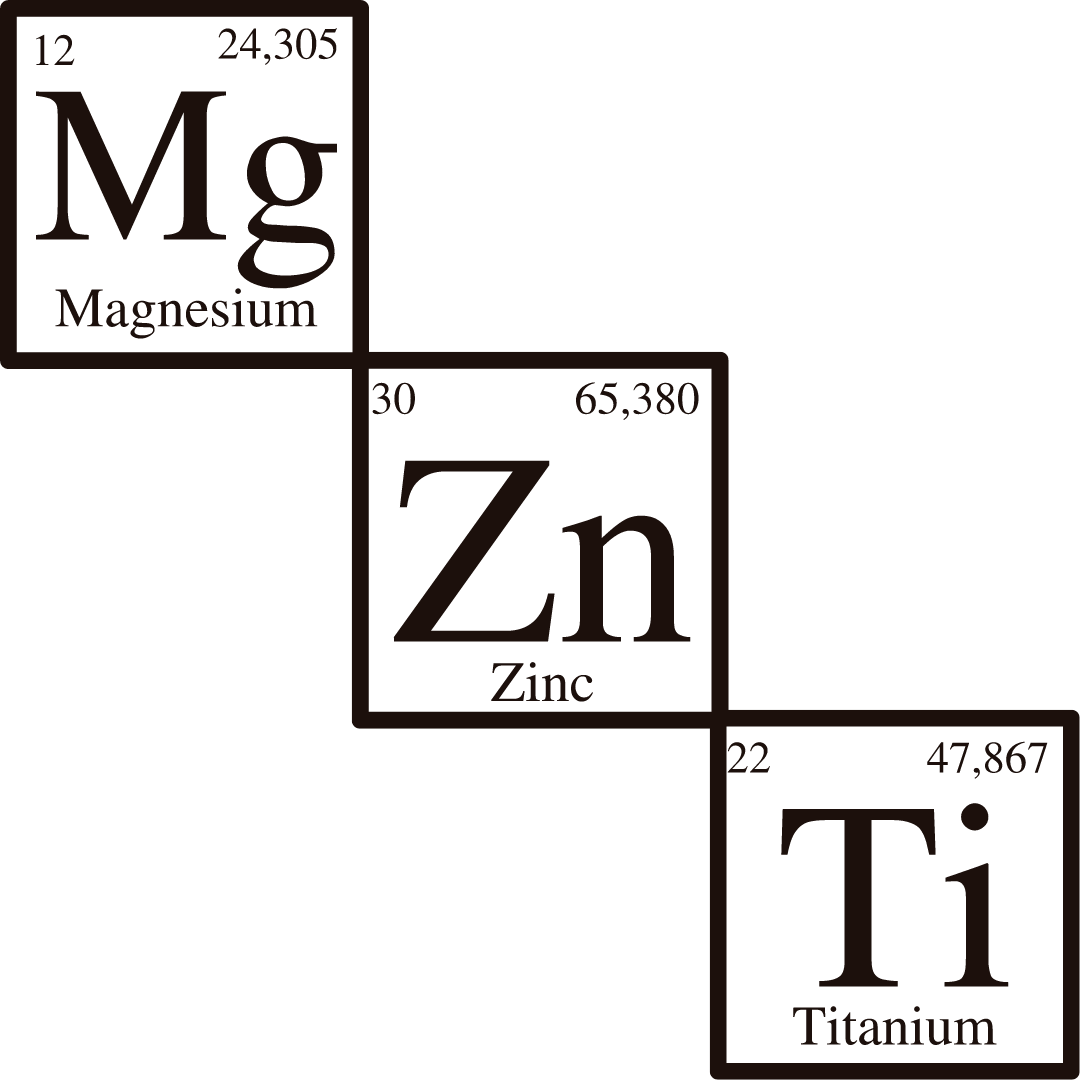
Magnesium: Lightweight and strong, magnesium is used in laptop enclosures, automotive transmissions, and small electronics.
Zirconium: With exceptional resistance to hydrochloric acid and ease of welding, zirconium finds use in nuclear reactors, pumps, and chemical processing equipment.
Titanium: Strong, corrosion-resistant, and biocompatible, titanium is essential in medical implants, aerospace components, and high-performance automotive parts.
Finishing Methods for Mixed and Rare Metal Parts
Finishing methods for rare and mixed metal parts and gears are crucial to enhance their performance, durability, and aesthetics. Here are some commonly used finishing techniques:
Electroplating: Applying a thin layer of metal onto the surface of the part using an electric current. This can improve corrosion resistance, reduce friction, and enhance appearance.
Anodizing: An electrochemical process that converts the metal surface into a durable, corrosion-resistant oxide layer. This is particularly common for aluminum parts.
Passivation: Treating metal with an acid solution to remove contaminants and enhance the formation of a protective oxide layer, especially useful for stainless steel parts.
Heat Treatment: Heating and cooling the metal to alter its physical and mechanical properties, such as hardness and strength.
Powder Coating: Applying a dry powder that is then cured under heat to form a protective and decorative layer. This provides a durable and high-quality finish.
Grinding: Using abrasive wheels to remove material and achieve a smooth surface with precise dimensions. This is commonly used for gears to ensure proper meshing and function.
Polishing and Buffing: Mechanical processes that use abrasives to create a smooth, reflective surface. Polishing removes minor imperfections, while buffing produces a high-gloss finish.
Shot Peening: Bombarding the surface with small spherical media to induce compressive stresses, improving fatigue resistance and reducing the risk of stress corrosion cracking.
Laser Cladding: Using a laser to melt and fuse a coating material onto the surface of the part, providing enhanced wear and corrosion resistance.
Chemical Vapor Deposition (CVD): Depositing thin films of material onto the surface through chemical processes, providing excellent hardness and corrosion resistance.
Physical Vapor Deposition (PVD): Depositing thin films of material through physical processes, such as sputtering, to achieve superior hardness and wear resistance.
Electropolishing: An electrochemical process that removes a thin layer of material to achieve a smooth, shiny finish and improve corrosion resistance.
Vibratory Finishing: Placing parts in a vibrating container with abrasive media to deburr, clean, and polish the surfaces.
Why Finishing Mixed and Rare Metals Requires Specialized Techniques
Finishing mixed and rare metals is particularly challenging due to their unique chemical and physical properties. These metals often have high strength, hardness, and corrosion resistance, which can make them difficult to machine and finish using standard techniques. The diverse compositions of mixed metals (alloys) can lead to varying reactions during finishing processes, requiring precise control and specialized knowledge to achieve the desired outcomes.
Rare metals, such as titanium and zirconium, have high melting points and react differently to heat and chemical treatments compared to more common metals. Additionally, their surface characteristics can be highly sensitive, necessitating careful handling to avoid damage or degradation.
Specialized Metal Finishing Machines
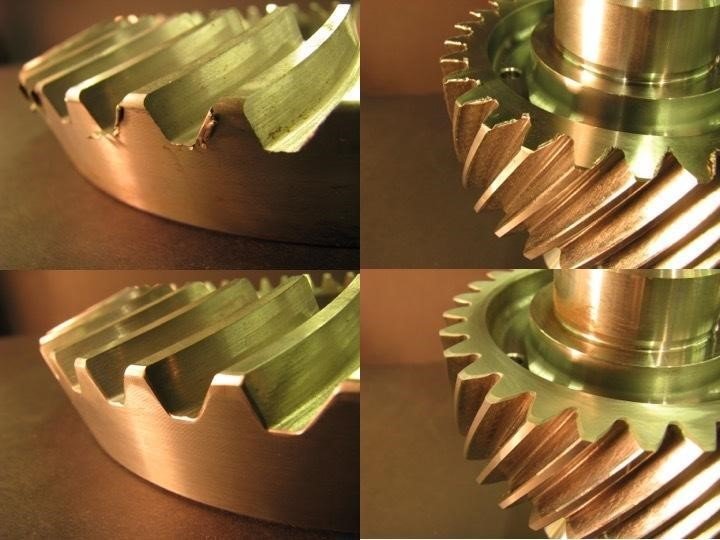
At James Engineering, we specialize in finishing a variety of mixed and rare metal parts using advanced multi-axis Surface Finishing machinery. Our equipment employs abrasive wheels, rotating brushes, and oscillating discs, enabling us to grind, deburr, round, and polish metal components in a single pass.
Manufacturing metal parts demands not only a deep understanding of materials and machinery but also a precise grasp of their intended applications. At James Engineering, we utilize state-of-the-art finishing machines to optimize the properties of mixed and rare metal parts for a wide range of industries. Our advanced deburr techniques ensure minimal material waste and deliver peak performance, making us a trusted partner for leading manufacturers worldwide.
Contact us today to learn more about our specialized metal part processing services and discover how we can enhance your manufacturing processes.