
What Is Deburring? Complete Guide to Deburring Methods, Tools, Processes, and Applications
Deburring is one of the most important yet often overlooked steps in the manufacturing process. Whether a part is cast, forged, machined, stamped, laser cut, or fabricated, unwanted burrs and sharp edges can impact product quality, assembly performance, safety, and appearance.
Introduction
Deburring is one of the most important yet often overlooked steps in the manufacturing process. Whether a part is cast, forged, machined, stamped, laser cut, or fabricated, unwanted burrs and sharp edges can impact product quality, assembly performance, safety, and appearance.
From aerospace components and medical devices to agricultural equipment and automotive parts, manufacturers rely on deburring to ensure finished parts meet quality standards and function as intended.
This guide explains what deburring is, why it matters, the most common deburring methods, and how manufacturers select the right process for their applications.
What Is Deburring?
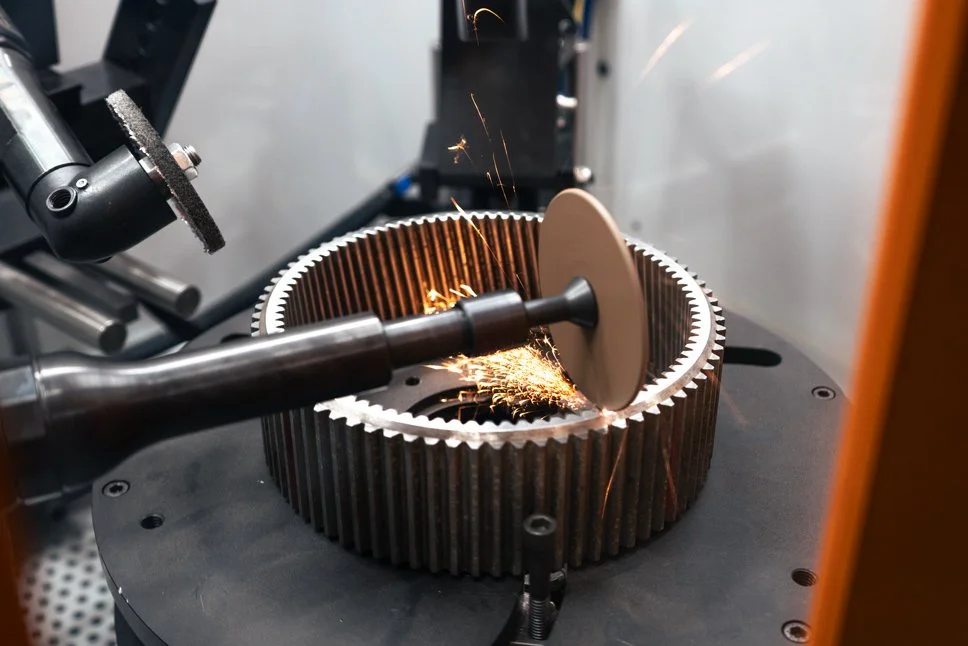
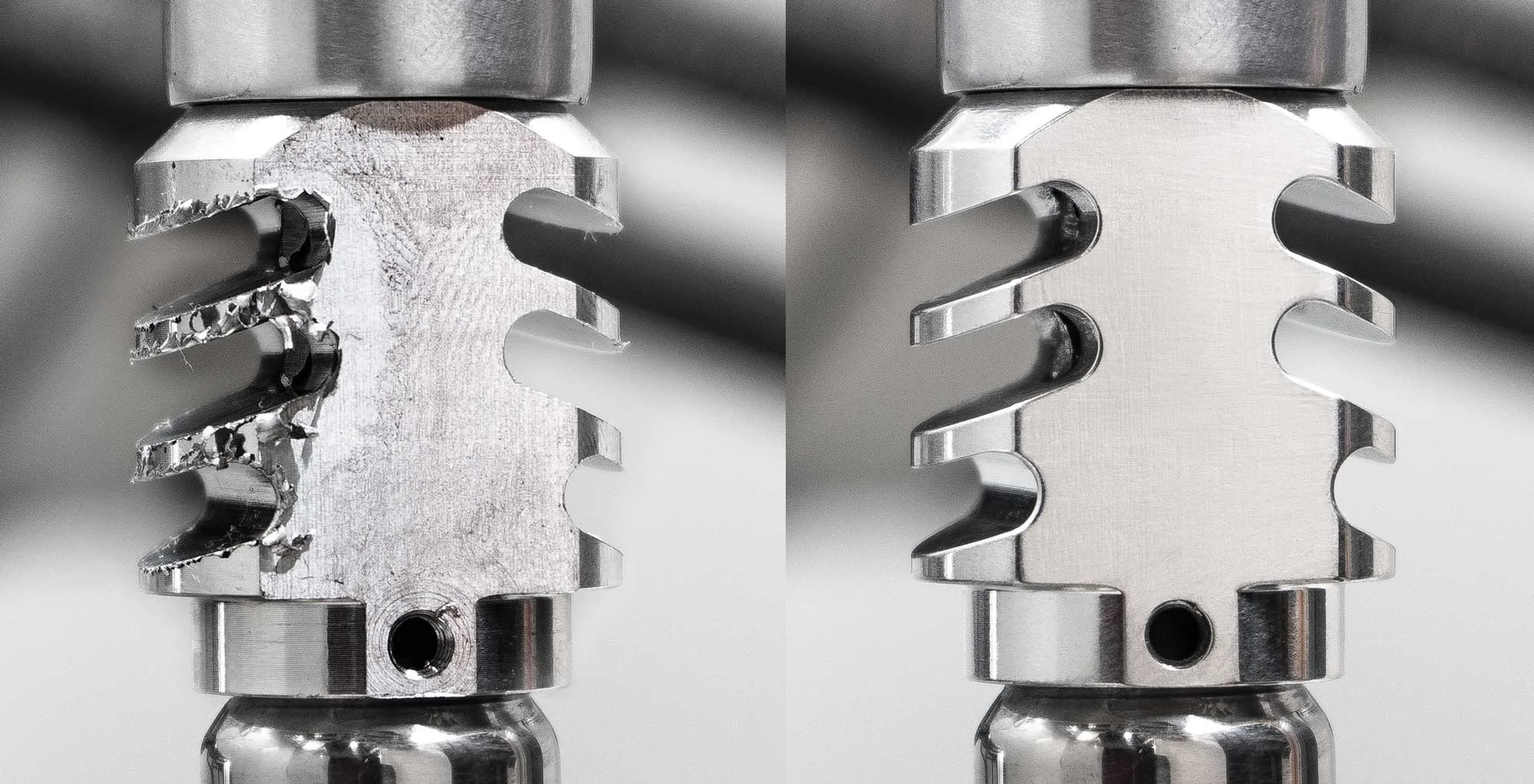
Deburring is the process of removing burrs, sharp edges, excess material, and surface imperfections that remain on a part after manufacturing.
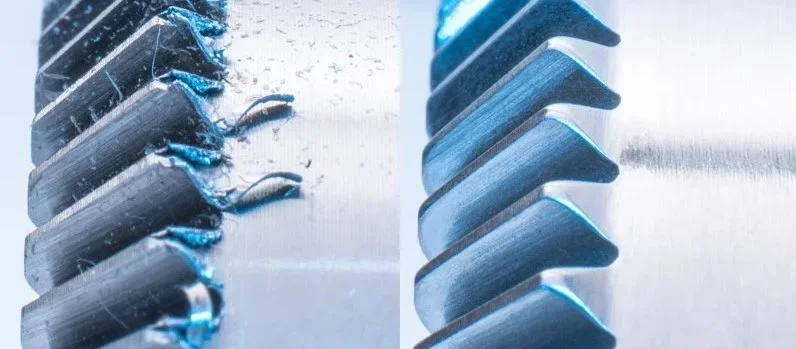
A burr is an unwanted raised edge or small piece of material that remains attached to a workpiece after machining, cutting, casting, stamping, drilling, grinding, or forging.
These imperfections can:
Interfere with assembly
Reduce product performance
Create safety hazards
Accelerate wear
Cause quality issues
Impact aesthetics
Deburring eliminates these issues by creating smooth, controlled edges and consistent part finishes.
Why Do Burrs Form?
Burrs are a natural byproduct of material removal and forming processes.
Common causes include:
Machining Operations
Milling
Turning
Drilling
Reaming
Tapping
When cutting tools remove material, a small amount may deform rather than cleanly separate from the workpiece.
Casting Operations
Molten metal often leaves excess flash or material at mold parting lines.
Forging Processes
Forged parts frequently produce excess material that requires secondary finishing.
Stamping and Punching
Sheet metal operations can leave sharp edges and raised material around holes and cutouts.
Laser and Plasma Cutting
Heat-based cutting processes can create edge imperfections and dross that require removal.
Why Is Deburring Important?
Many manufacturers view deburring as a secondary operation, but it directly impacts product quality and production efficiency.
Benefits of deburring include:
Improved Safety
Sharp edges create handling hazards for operators, assemblers, and end users.
Better Part Fit and Function
Burrs can prevent proper assembly and interfere with moving components.
Increased Product Reliability
Controlled edges reduce wear, friction, and premature failure.
Enhanced Appearance
Finished parts have a cleaner and more professional appearance.
Compliance with Industry Standards
Industries such as aerospace, defense, and medical manufacturing often require strict edge quality standards.
Types of Burrs
Different manufacturing processes create different burr characteristics.
Rollover Burrs
The most common burr type, formed when material bends rather than cleanly separates.
Breakout Burrs
Occur when material fractures during machining or drilling.
Poisson Burrs
Created when material deforms under compressive forces.
Cutoff Burrs
Produced during sawing, cutting, or part separation operations.
Understanding burr type helps manufacturers determine the most effective removal process.
Common Deburring Methods
There is no single deburring process that works for every application.
The best method depends on:
Material type
Part geometry
Production volume
Quality requirements
Cost considerations
1. Manual Deburring
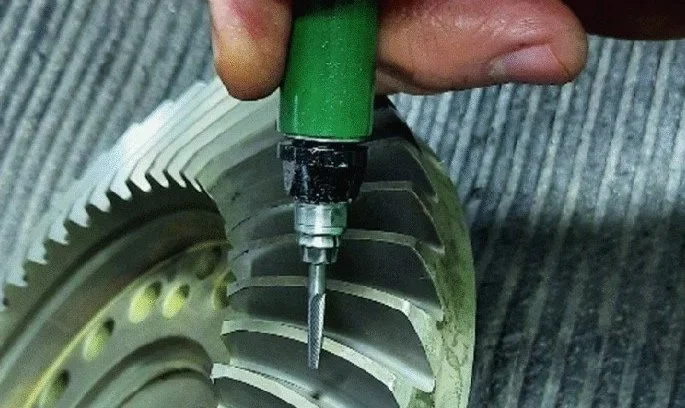
Manual deburring uses hand tools to remove burrs and sharp edges.
Common tools include:
Files
Scrapers
Knives
Rotary tools
Abrasive pads
Advantages
Highly flexible
Excellent for complex parts
Ideal for low-volume production
Precise control
Applications
Aerospace components
Castings
Forgings
Prototype parts
Complex geometries
2. Mechanical Deburring
Mechanical systems use powered equipment to remove burrs.
Examples include:
Rotary brushes
Belt finishing systems
Abrasive wheels
Specialized deburring machinery
Advantages
Faster than manual methods
Consistent results
Suitable for higher production volumes
3. Vibratory Finishing
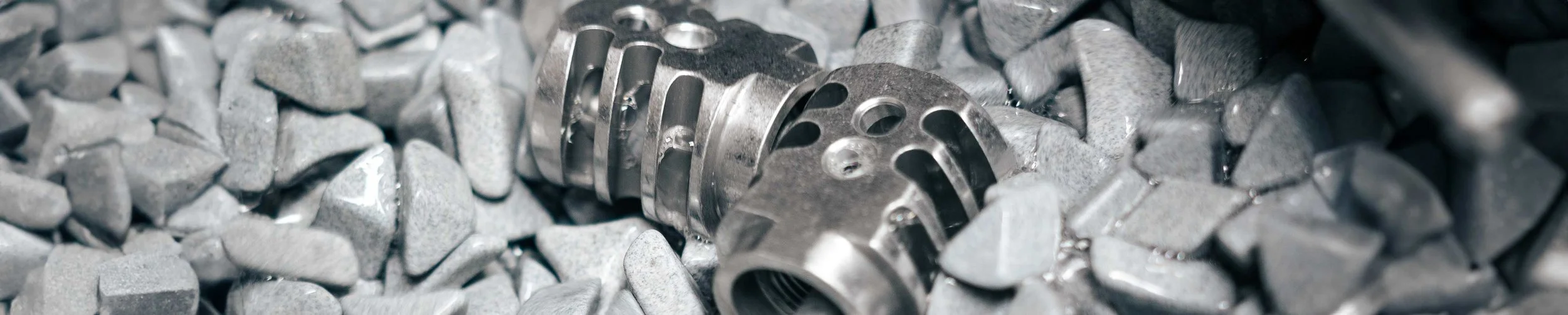
Vibratory finishing uses media and vibration to smooth surfaces and remove burrs.
Parts are placed in a vibratory bowl or tub where abrasive media contacts the workpiece.
Benefits
Processes large quantities simultaneously
Improves surface finish
Cost-effective for high-volume production
Common Materials
Aluminum
Steel
Stainless steel
Brass
4. Thermal Deburring
Thermal deburring uses a controlled combustion process to eliminate burrs.
A gas mixture ignites inside a sealed chamber, instantly removing small burrs.
Advantages
Fast processing
Effective for internal features
Excellent for high-volume production
Industries
Automotive
Hydraulic systems
Fuel system components
5. Electrochemical Deburring
Electrochemical deburring removes burrs through controlled electrochemical reactions.
Material is selectively dissolved using electrical current.
Benefits
Highly precise
Excellent for difficult-to-access areas
No mechanical stress on the part
Applications
Medical devices
Aerospace components
Precision-machined parts
6. Abrasive Flow Deburring
An abrasive media is forced through internal passages and complex geometries.
Ideal For
Internal channels
Cross-drilled holes
Hydraulic manifolds
Complex machined components
7. Robotic Deburring
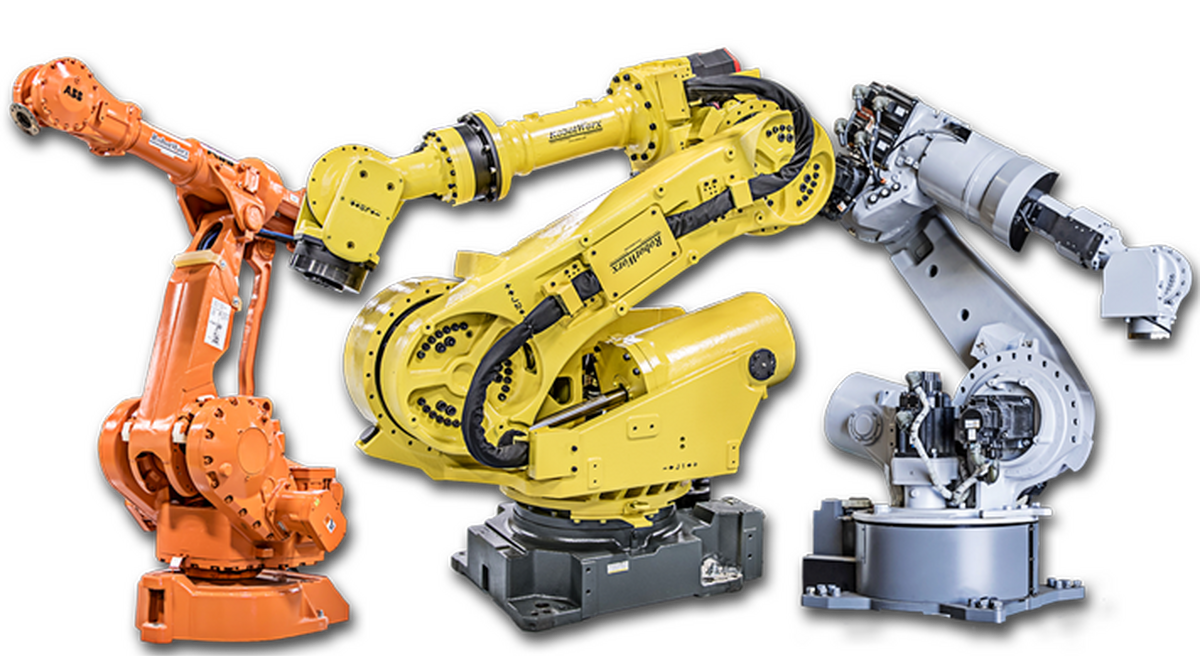
Automation and robotics provide consistent deburring for high-volume manufacturing.
Benefits include:
Repeatability
Reduced labor costs
Increased throughput
Improved process control
Deburring Different Materials
Different materials require different approaches.

Aluminum Deburring
Aluminum is soft and easily damaged if improper techniques are used.
Special considerations include:
Preventing gouging
Maintaining surface finish
Avoiding embedded abrasives
Steel Deburring
Steel often requires more aggressive removal methods due to higher hardness.
Titanium Deburring
Titanium components require precision finishing to meet aerospace and medical standards.
Plastic Deburring
Plastic parts require gentle techniques to avoid distortion or surface damage.
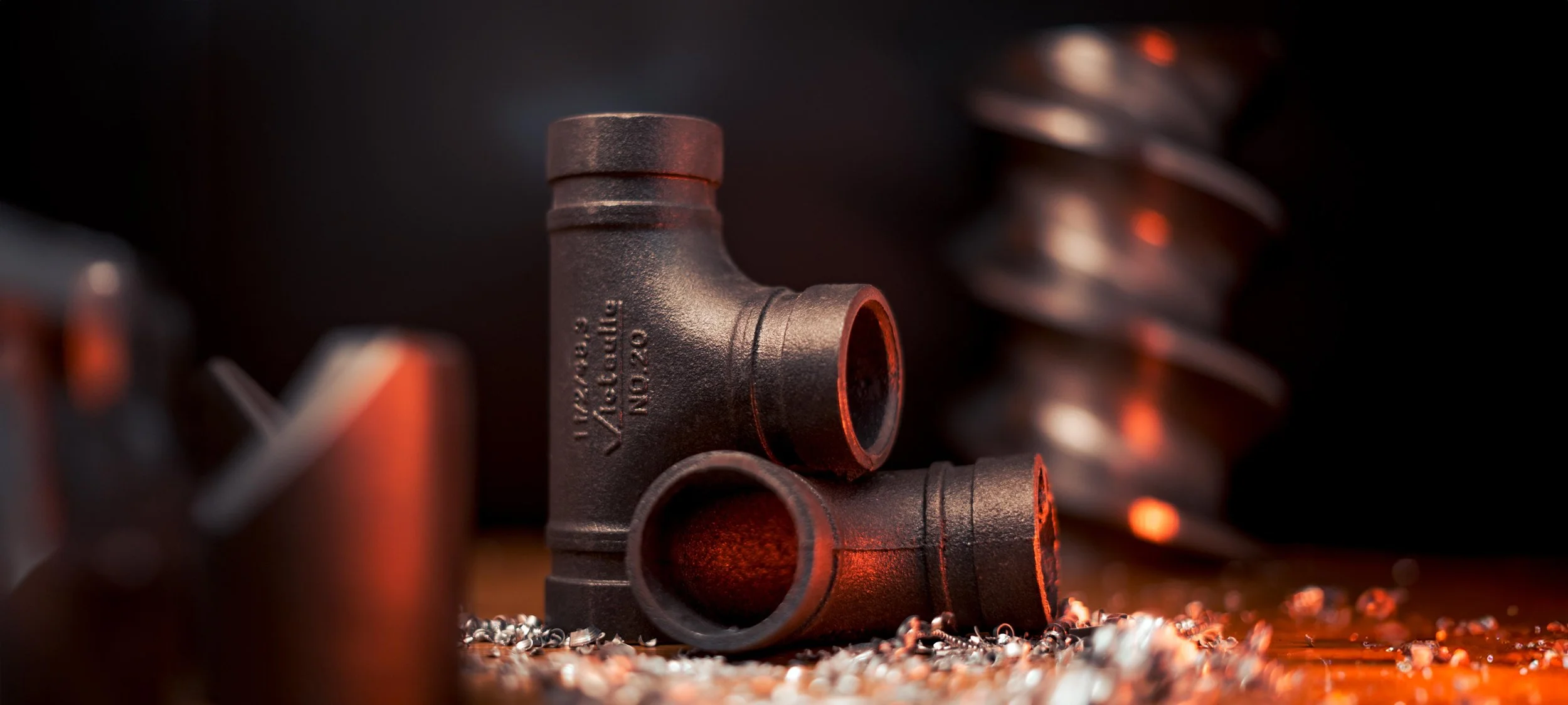
Deburring Castings
Castings frequently contain:
Flash
Mold parting lines
Surface irregularities
Excess material
Deburring and finishing operations are essential before assembly or machining.
Common industries include:
Agriculture
Mining
Heavy equipment
Automotive
Deburring Forgings
Forged components often require significant material removal around flash lines and parting surfaces.
Proper deburring ensures:
Improved aesthetics
Better assembly performance
Consistent dimensions
Deburring Machined Parts
Machined components often develop burrs around:
Holes
Slots
Threads
Edges
Intersections
Removing these burrs improves functionality and reduces assembly issues.
Deburring for Aerospace Applications
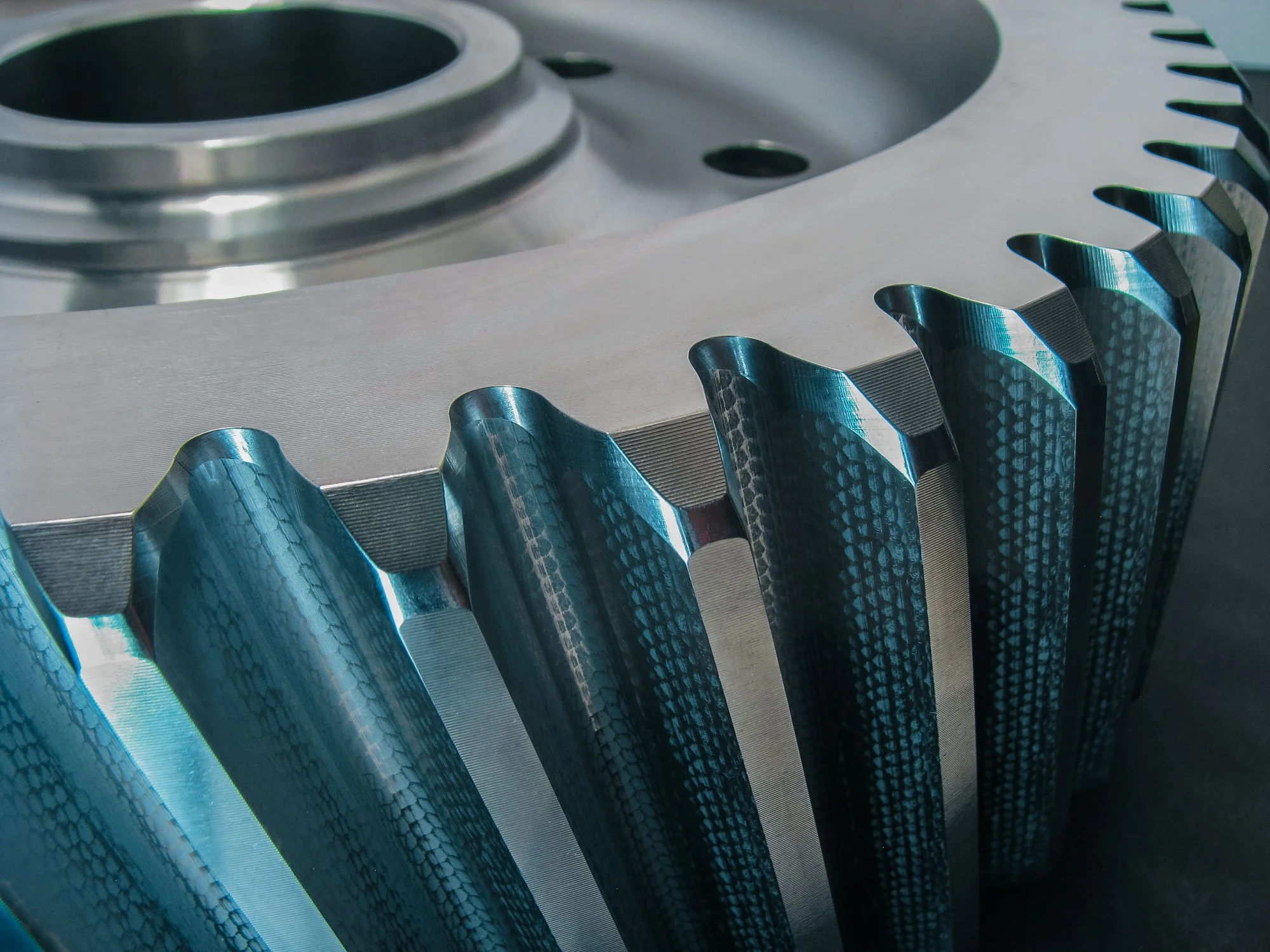
Aerospace manufacturers maintain some of the strictest deburring standards in the world.
Critical requirements include:
Controlled edge breaks
Burr-free surfaces
Consistent inspection procedures
Documentation and traceability
Even small burrs can affect performance and safety in mission-critical applications.
Deburring vs Chamfering
These terms are often confused.
Deburring
Removes unwanted material and sharp edges.
Chamfering
Intentionally creates an angled edge for assembly, clearance, or design purposes.
Many parts require both operations.
How Manufacturers Choose a Deburring Process
Selecting the right deburring process depends on several factors:
Part size
Material
Geometry
Production volume
Tolerance requirements
Surface finish requirements
Budget
Many manufacturers use multiple processes throughout production to achieve the desired result.
When to Outsource Deburring Services
Deburring can become a bottleneck for many manufacturers.
Common reasons to outsource include:
Labor shortages
Capacity constraints
Quality concerns
Specialized finishing requirements
Increased production demand
Partnering with an experienced deburring provider allows manufacturers to focus on core production while ensuring consistent part quality.
Why James Engineering?
For decades, James Engineering has provided precision deburring, edge finishing, and part finishing solutions for manufacturers across numerous industries.
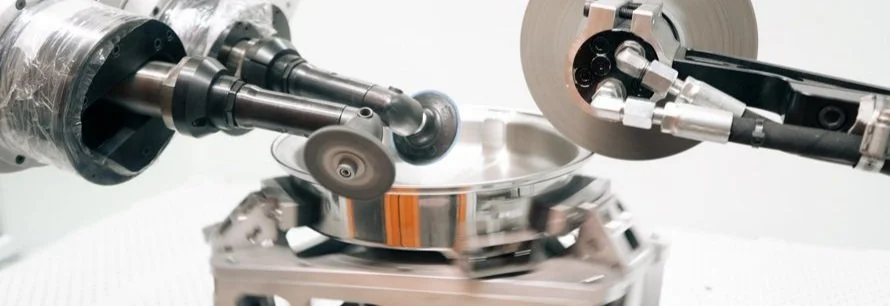
On top of offering our ‘lights out’ automatic machines, we also have several other deburring services.
Our capabilities include:
Manual deburring
Precision edge finishing
Burr removal
Casting finishing
Forging finishing
Complex geometry processing
Production deburring services
From prototype components to high-volume production runs, our team delivers the consistency, efficiency, and quality manufacturers demand.
Request a Quote
Need help with deburring, edge finishing, or secondary processing?
Contact James Engineering to discuss your application and learn how our deburring services can improve quality, reduce bottlenecks, and help deliver production-ready parts.

WHAT IS DEBURRING?
What is Deburring? What is the Deburring Process? Exploring Deburr Techniques, Deburring Challenges, and Deburring Solutions!
What is the deburring process?
Exploring Deburr Techniques, Deburring Challenges, and Solutions!
Imagine crafting external gears that mesh seamlessly, internal gears that turn smoothly, or gearboxes that power machines with precision. The secret sauce to this seamless operation? It's all about deburring, a crucial but often underestimated process.
When you dive into manufacturing parts like external gears, internal gears, pinions, pinion shafts, or gearboxes, you're essentially crafting the building blocks of functionality. Every imperfection, no matter how small, can impact the overall performance. That's where deburring steps in, ensuring that these components meet the highest standards of quality and reliability.

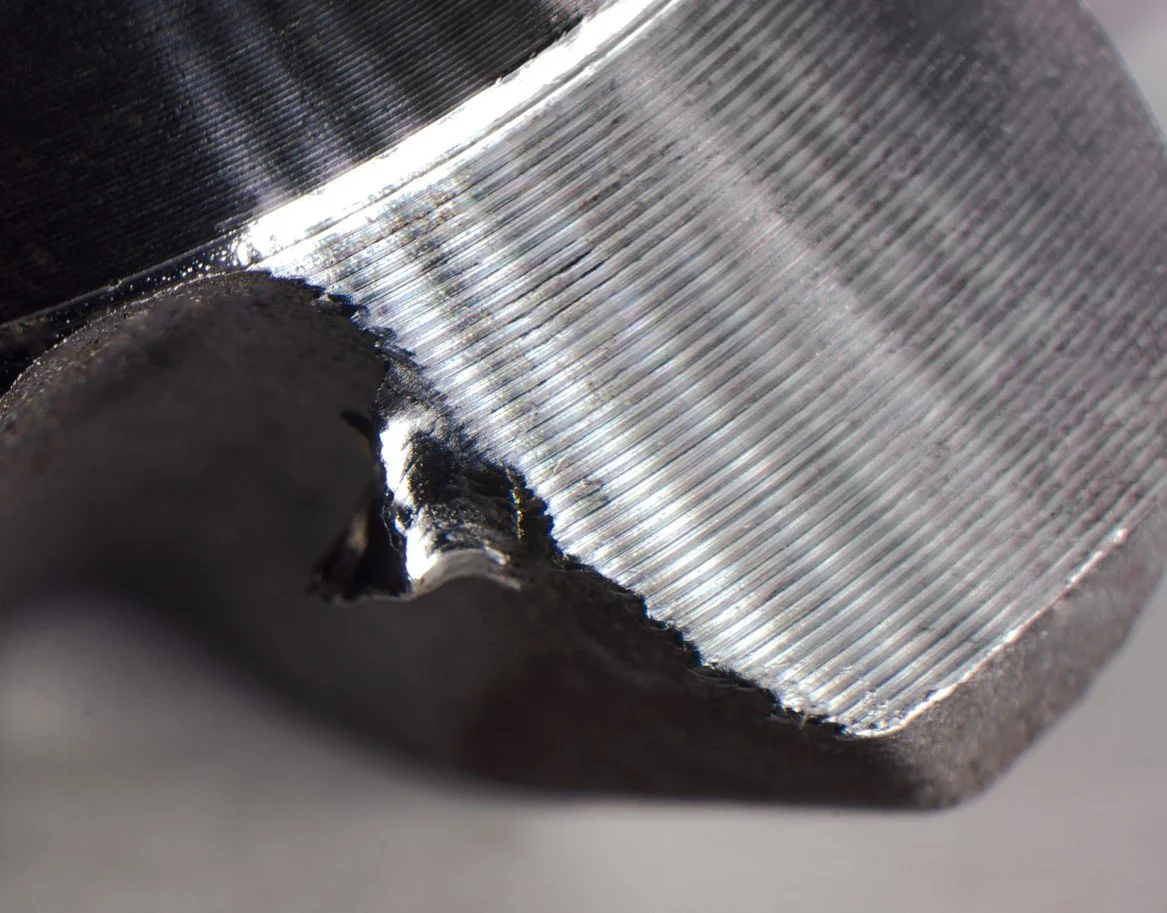
Detail of a metal burr. Metal burrs must be removed to ensure safety, functionality, quality control, and optimal performance of metal gears or components in engineering applications.
Understanding Deburring
What is deburring? Deburring is the method of removing unwanted burrs—tiny, often sharp, imperfections—from machined parts. These burrs can result from various manufacturing processes like CNC machining, plasma cutting, or casting. If left untreated, burrs can compromise part functionality, aesthetics, and safety.
Types of Deburring Techniques
Exploring Deburring Techniques and Challenges
Manual Deburring: This traditional method requires skilled operators using tools like scrapers, files, and brushes to remove burrs. While it allows for precision, it is labor-intensive and can be time-consuming, limiting its scalability for large production volumes.
Machine Deburring: Automated deburring machines offer consistent and efficient burr removal, making them indispensable in modern manufacturing. However, challenges such as complex part geometries and varied burr sizes require advanced technologies for optimal results.
Chemical Deburring: While effective for selective burr removal, chemical deburring demands careful handling of chemicals and disposal, requiring strict adherence to safety and environmental regulations.
Abrasive Deburring: Utilizing abrasive materials for mechanical burr removal can generate heat and friction, leading to potential surface damage or tool wear over time.
Electrochemical Deburring (ECM): Although precise, ECM setups can be costly to implement and maintain, requiring skilled technicians for operation and maintenance.
Thermal Deburring: While effective, thermal deburring methods like flame deburring may introduce heat-related distortions in parts, necessitating additional quality control measures.
Cryogenic Deburring: While innovative, cryogenic deburring requires specialized equipment and expertise in handling cryogenic fluids, adding complexity and cost to the process.
Ultrasonic Deburring: While capable of reaching intricate areas, ultrasonic deburring may struggle with harder materials or thicker burrs, requiring adjustments or supplementary processes.
Brush Deburring: While versatile, brush deburring methods may require frequent tool changes or maintenance, impacting production uptime and efficiency.
Waterjet Deburring: While precise and non-destructive, waterjet deburring may struggle with certain materials or intricate geometries, requiring careful process optimization.
The best machine deburring solution combines multi-axis capability with compliant technology. Unlike rigid robotic systems, multi-axis machines with compliant features offer greater flexibility to adapt to varying part geometries and burr locations. They can adjust tool angles and pressures dynamically, ensuring consistent and precise deburring across different parts. Additionally, machines with various tool options provide versatility, allowing for the use of different deburring methods depending on the part's specific requirements. This flexibility translates to improved productivity, reduced setup times, and enhanced overall quality in the deburring process.

Challenges in Deburring
Despite its importance, deburring poses several challenges:
Complex Part Geometries: Components like external gears, internal gears, and gearboxes often feature intricate geometries, making manual deburring impractical and time-consuming.
Burr Consistency: Burrs can vary in size, shape, and location, requiring tailored deburring solutions for optimal results.
Time and Cost: Manual deburring is labor-intensive and prone to inconsistencies, leading to increased production time and costs.
Automated Deburring Solutions
Automated deburring machines equipped with multi-axis compliant technology, like The MAX, offer unparalleled advantages over traditional deburring methods.
Here's a closer look at why they stand out:
Precision: Multi-axis compliant technology integrates CNC deburring tools into automated machines, ensuring precise burr removal even in complex part geometries like pinions and pinion shafts. This precision enhances part quality and functionality, meeting industry standards effectively.
Consistency: These machines deliver consistent results across batches, reducing rework and ensuring consistent part quality. This reliability is crucial for maintaining product integrity and customer satisfaction.
Efficiency: By automating the deburring process, manufacturers save time, reduce labor costs, and boost overall production efficiency. This efficiency improvement is key for meeting production targets and staying competitive in the market.
Flexibility: Multi-axis compliant technology allows for versatile tool movements, adapting to different part shapes and sizes seamlessly. This flexibility optimizes workflow and resource utilization, enhancing productivity and reducing downtime.
Quality Assurance: With precise control and monitoring capabilities, multi-axis compliant machines ensure stringent quality standards are consistently met. This quality assurance is vital for industries demanding precision and reliability, such as automotive, aerospace, and medical device manufacturing.
The integration of multi-axis compliant technology elevates deburring processes to new levels, offering unmatched precision, consistency, efficiency, flexibility, and quality assurance in modern manufacturing environments. These advantages make them indispensable tools for achieving superior results in part finishing and production optimization.
Choosing the Right Deburring Equipment

When selecting deburring equipment, consider factors such as part complexity, production volume, and budget. Consult reputable deburring machine manufacturers like James Engineering, the deburr master known for their innovative deburring solutions tailored to various industries' needs. Top manufacturing companies go to the deburring experts for the best deburring machines.
Need a Chamfering Machine? Click Here
Burr Removal Methods

Exploring Deburring Tools and Techniques
When it comes to precision manufacturing, the right deburring tools and techniques are essential for achieving flawless finishes and optimal part functionality. Let's delve into the various deburring tools and their unique capabilities:
Deburring Brushes: Specialized brushes designed for deburring tasks effectively remove burrs from machined parts, ensuring smooth and precise edges crucial for product quality and performance.
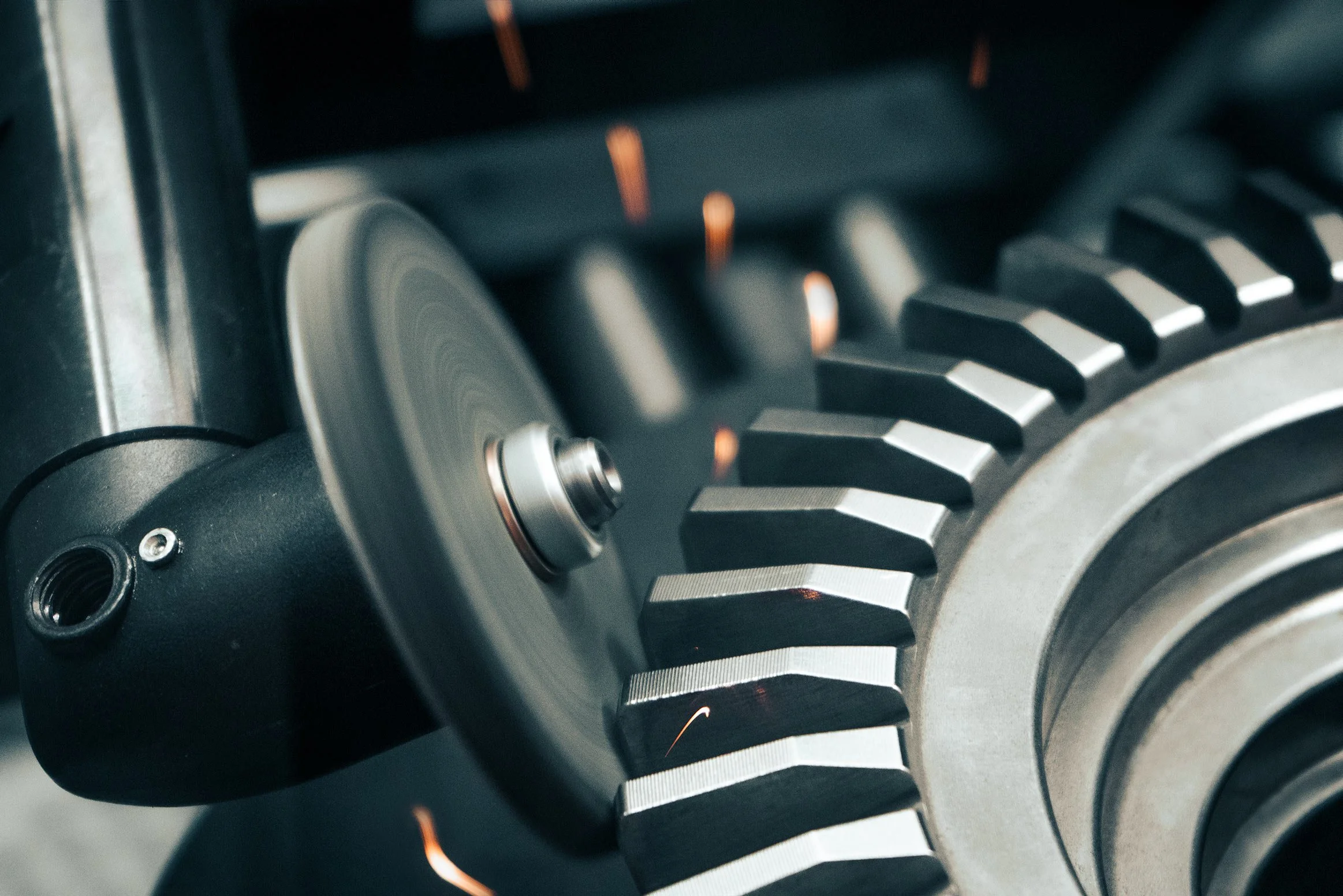
Abrasive Wheels: Utilizing abrasive materials, such as grinding wheels or belts, abrasive deburring tools remove burrs and imperfections from metal surfaces, providing a consistent and uniform finish.
Chamfering Tools: Chamfering tools bevel edges, improving part aesthetics and reducing sharp edges, enhancing safety during handling and assembly processes.
Radius Forming Attachments: These attachments create precise radii on parts, essential for components like gearboxes and mechanical parts where rounded edges are critical for functionality and longevity.
Polishing Equipment: Polishing tools and materials, such as polishing brushes or compounds, achieve high-quality surface finishes, enhancing part appearance and meeting stringent industry standards.
Filing Tools: Filing tools are used to remove excess material and refine surfaces, maintaining precise dimensions and ensuring smooth edges for seamless part integration.
Washing Systems: Integrated washing systems clean parts thoroughly, removing debris, contaminants, and residual materials post-deburring, ensuring optimal cleanliness for subsequent processes or assembly.
In conclusion, understanding the deburring process, utilizing advanced deburring machines and tools, and choosing the right deburring method for your application are crucial steps in ensuring high-quality, precise machined parts.
By prioritizing deburring before chamfering, polishing, or other finishing processes, manufacturers can uphold the standards necessary for top-notch products in industries relying on precision components like automotive, aerospace, and machinery manufacturing.
If you are looking for the best deburring machines that have stood the test of time for their durability and used by top manufacturing companies across the world for chamfering and all purpose gear and part finishing.
Contact James Engineering at Sales@James-Engineering.com